


Myofascial Trigger Point Therapy
Relieve Pain. Release Tension. Restore Movement.

Duration
45–60 mins

Session Type
Treatment

Format
Individual

Consultation
In-Clinic
About the Service
Myofascial Trigger Point Therapy (MTPT) is a specialized treatment that targets painful muscle knots, commonly known as trigger points. Our expert therapists use precise hands-on techniques to reduce muscle tension.
Best For
Other Therapy


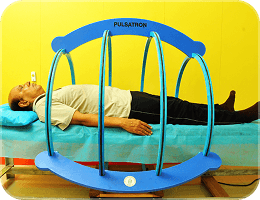

Myofascial Trigger Point Therapy
Myofascial Trigger Point Therapy
Understanding Myofascial Pain Syndrome
Myofascial Pain Syndrome is a chronic pain condition that results from pressure on certain sensitive areas on the muscles (trigger points). The pain could be observed either directly on the affected muscles or sometimes elsewhere that is seemingly unrelated.
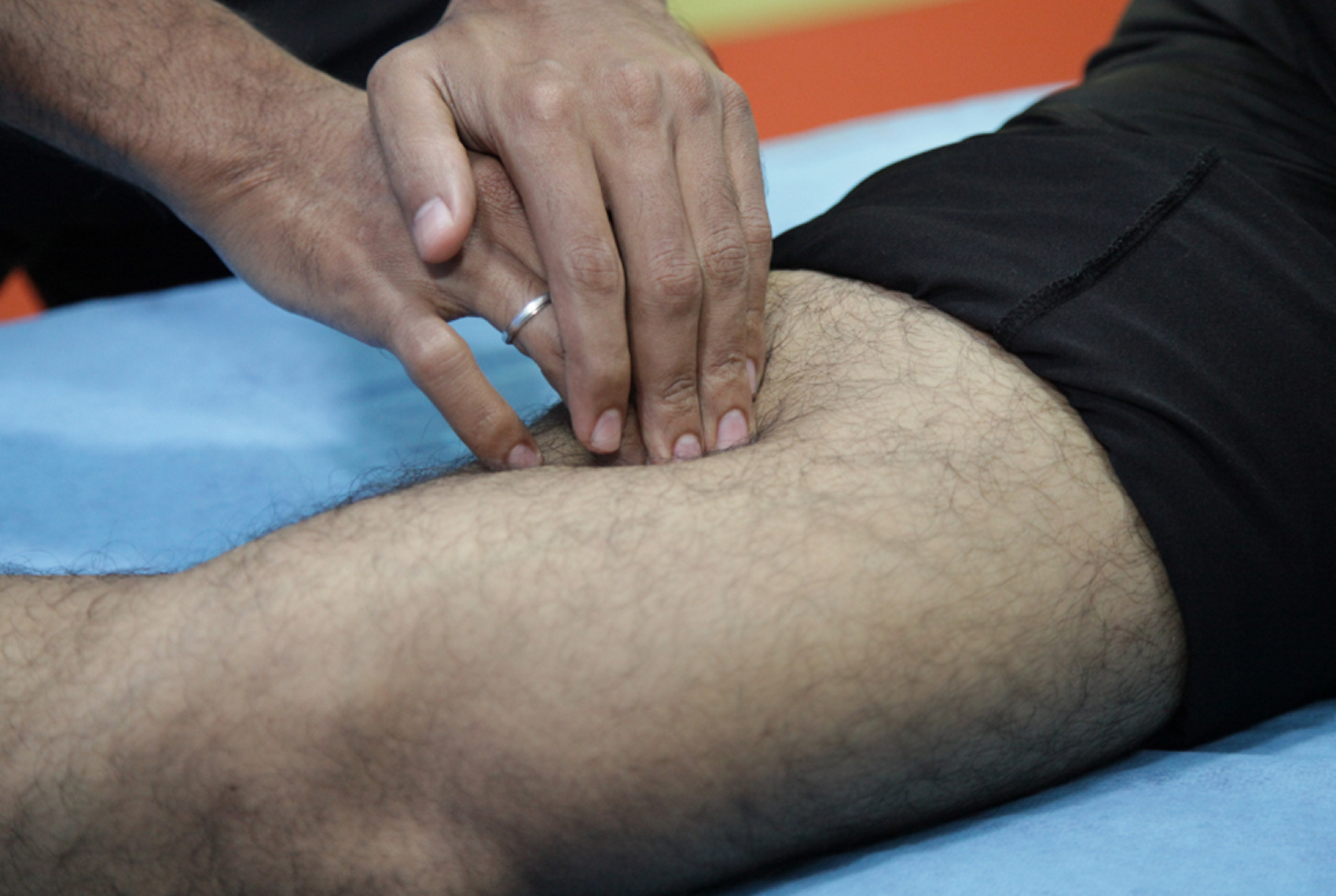
Myofascial Trigger Point Therapy
Myofascial Trigger Point Therapy is a very good first line of treatment for Myofascial Pain Syndrome. Trigger points are formed owing to a multitude of causative factors ranging from overuse, abuse/misuse, and disuse of the myofascial system, to even emotional and psychological stress. By palpating the patient’s body, a skilled clinician or therapist is able to identify the trigger points and other areas of altered tone, texture, contour and temperature, all indicative of myofascial adhesions and ill-health.
The therapy involves skillful application of appropriate pressure over the affected area which relieves the myofascia—the dense, tough tissue which surrounds and covers all of the muscles and bones in the body—of this malady, thereby improving its suppleness. This results in better microcirculation, a significant reduction of pain and, most importantly, better movement.
SPARRC is a pioneer in the field of Myofascial Trigger Point Therapy and has very skilled therapists who are able to work on the trigger points to relieve patients of pain.
MTPT is also useful in treating conditions such as

Headache (diagnosed as migraine)
Vertigo
Trigeminal neuralgias
Hemifacial spasms
Facial pains
Tinnitus
Hard of hearing
Shoulder subluxations and dislocations
Fibromyalgia
Complex regional pain syndrome
Peripheral neuropathy
Thoracic outlet syndrome
Radiculopathy


